When you hear 1 cm, the first thing that comes to your mind is that it is a negligible length. It is such a small number, barely more than the width of your little finger’s first joint, yet it quietly dominates an astonishing range of objects. The world is full of things that are 1 centimeter long. Let us dive in to know more about it.
At 10 millimeters or roughly 0.4 inches, 1 cm occupies a very particular niche in the scale of human experience. It is too big to be microscopic and too small to feel large. A centimeter is a metric unit used to measure length.
Things That are 1 Centimeter Long
This tiny length, exactly 10 millimeters, turns out to be surprisingly common in the human-scale world because it sits in a sweet spot. It is small enough to be a detail or a tolerance, yet large enough to be easily seen and handled without tools. Let us go through the list of things that are 1 centimeter long:
The Width of a Standard Paperclip
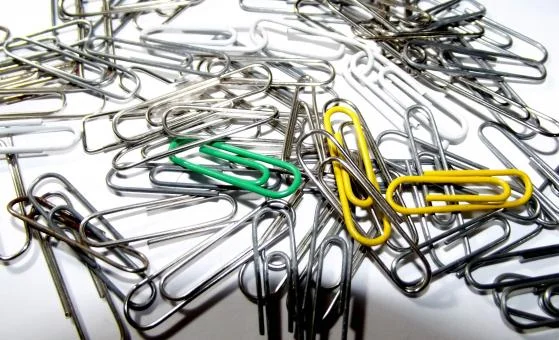
Many educational and quick-reference contexts treat the shorter cross-width of a standard metal paperclip as approximately 1 cm. It is very reliable for quick eyeballing small objects. You can use the width of a standard paperclip as a reasonably good approximate reference for 1 cm in many everyday situations. It is portable and roughly the same size across standard clips. It is a classic, handy trick for eyeballing 1 cm when you don’t have better tools.
Head of a Pushpin
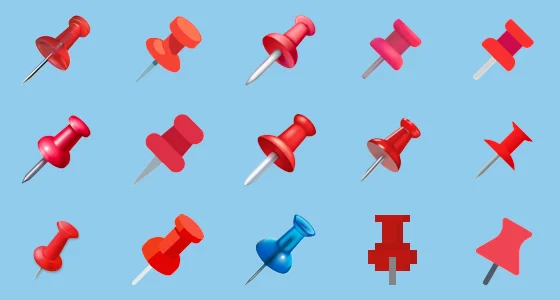
You can use the head of a standard pushpin, also called a thumbtack, as a rough reference for 1 cm. Most common ones have a head diameter of around 0.8 to 1.3 cm. It is close enough for quick everyday estimation, similar to the paperclip, especially if your pushpin is on the larger side of standard. If you have one in front of you, describe its head size or compare it.
Shoelace Aglet

If you are on the move and are looking for a 1 cm reference. Your shoelace aglet is a viable option to consider. It is a handy, portable option, especially if your shoelace has a common plastic aglet. A shoelace aglet commonly measures 1 to 1.3 cm. This makes them one of the closest everyday proxies to exactly 1 cm. In casual no-ruler scenarios, like estimating a small item’s size, it is very useful and often more consistent than some other objects.
A Raisin

A raisin is a very good everyday reference for about 1 cm. It is one of the better small, everyday 1 cm approximations out there. It is one of the more reliable small-object proxies because many standard raisins have a length or diameter right around 1 cm. If you have some raisins handy, grab one and see how it stacks up.
Thickness of a Standard Pencil Eraser
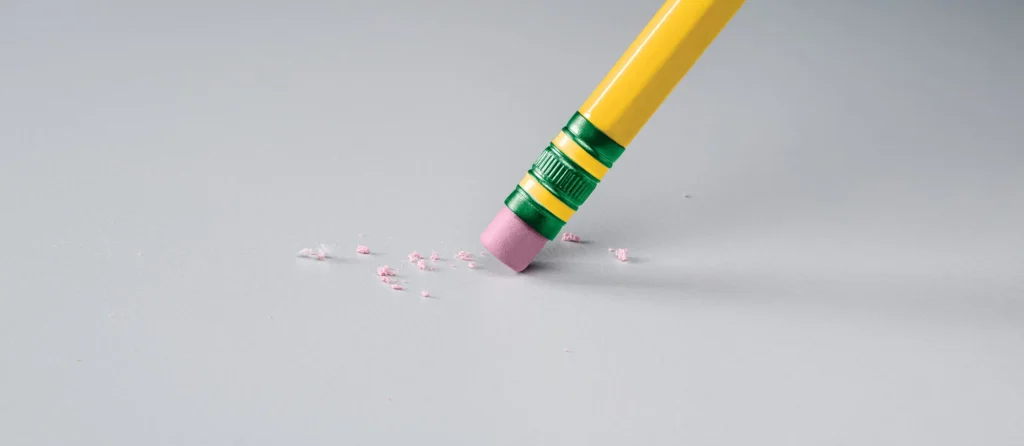
The thickness of a standard pencil eraser is yet another household reference for 1 cm. It is a decent rough reference for the said measurement. It is a great option that you are looking for to eyeball 1 cm. If you have a specific pencil, describe it or compare its eraser, and you will get to know that the diameter of the pencil eraser is 1 cm.
Also, read Things That are 6.5 Inches Long: Everyday Things Around 6.5 Inches!
Diameter of a Standard Drinking Straw

A standard drinking straw is yet another everyday reference. This makes it a useful rough reference for something around 1 cm. It is a handy everyday item for estimating narrow widths or small thicknesses. You can rely on the diameter of a standard drinking straw to eyeball 1 cm. Whenever you need to measure 1 cm without a ruler, you can grab one from a drink, a kitchen drawer, or a fast-food cup; it will serve your purpose to a large extent.
A Pea

A pea is one of the best and most commonly cited everyday references for exactly 1 cm. It is widely regarded as spot-on in medical, educational, and casual contexts for visualizing small sizes around that scale. A pea is arguably the most reliable food-based 1 cm reference out there. Grab a pea from your kitchen and see if it often feels spot-on.
Edge of a 5-Dollar Coin
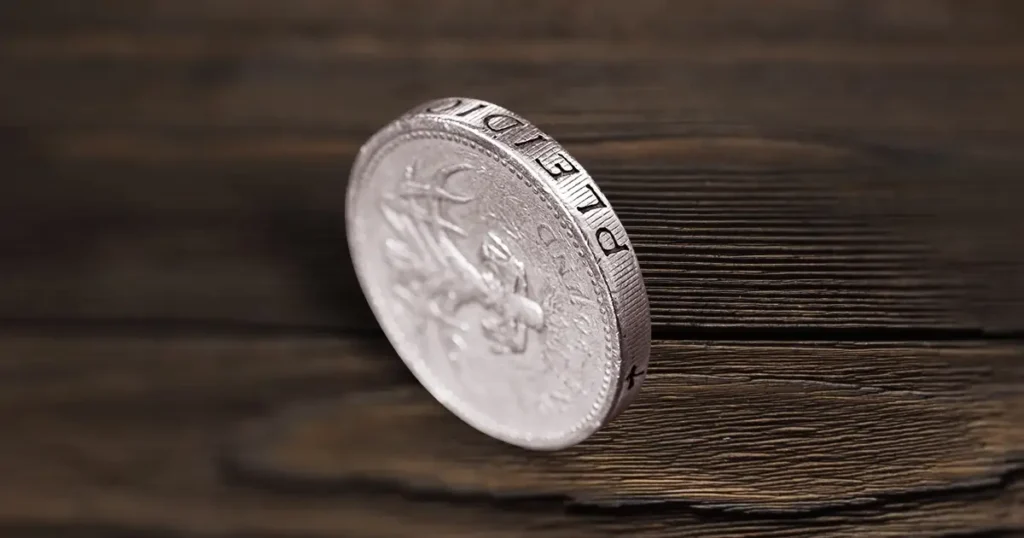
You can use the edge of a $5 US coin as a reference, but it depends on which specific $5 denomination you are referring to. The thickness of a $5 US coin measures around 1 cm. This is one of the references that is easily accessible and available. The one that you carry in your pocket. In case you have to estimate 1 cm without a ruler, this is an option to consider.
A Coffee Bean

A coffee bean is a solid rough reference for about 1 cm, particularly its length. It is a handy, kitchen-common proxy similar to a raisin or pea, though slightly more variable depending on the bean type and roast. It is quite reliable for quick estimates, for the reason that a single coffee bean is treated as a 1 cm stand-in, especially the longer way. A coffee bean is one of the better kitchen-based 1 cm approximations, especially if you are a coffee drinker.
Width of a Button
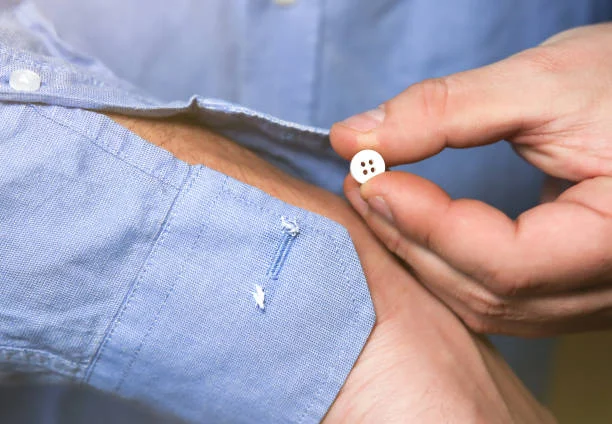
The width of a standard button, like one from a dress shirt, blouse, or everyday shirt, is around 1 cm. This makes a good rough reference for about 1 cm. It is a very practical and common 1 cm approximation, especially from a dress shirt. You just need to grab one from your wardrobe and see how it lines up. This will give you a quick estimate of 1 cm.
Also, read Things That are 7.5 Inches Long: Everyday 7.5-Inch References!
Conclusion
So it has come to the fore that 1 cm is quite relevant and prevalent in your daily life. It is the Goldilocks length of the everyday world. When you look around right now, you will almost certainly find several things that measure 1 cm or close to it.
Next time, when you look for a 1 cm reference, look around you will find several references in the form of a head of a pushpin, a pea, a shoelace aglet, a raisin, among other things. In this article, I have provided you with a list of things that are 1 centimeter long. Go through the article to know more about it.
Frequently Asked Questions
1. What does 1 cm actually look like in real life?
1 cm is equal to 10 mm or 0.39 inches. It is a small but very relatable length. It is roughly the width of an adult thumbnail or index fingernail.
2. Why do so many unrelated things end up being about 1 cm?
It is a sweet spot in human-scale design and biology. Fingers can grip and manipulate 1 cm objects precisely without strain.
3. How can I quickly check if something is really 1 cm without a ruler?
Use a pencil to check since the diameter of a standard wooden pencil is very close to 1 cm.