Have you ever stopped to think about what 10 grams actually feels like? It’s such a small number that it can be hard to picture. Yet, 10 grams is a surprisingly common weight in everyday life. From coins and stationery to food and household objects, many items fall right around this mark.
Understanding things that weigh 10 grams can be helpful for cooking, mailing small packages, science experiments, or just satisfying your curiosity. Once you get a sense of how light 10 grams really is, you’ll start noticing it everywhere. Let’s explore some familiar objects that hover around this tiny but interesting weight.
Common Things That Weigh 10 Grams
To better understand things that weigh 10 grams, it helps to compare them with everyday items you already use. Here are several examples that give you a practical sense of this lightweight measurement.
Two Sheets of Standard A4 Paper
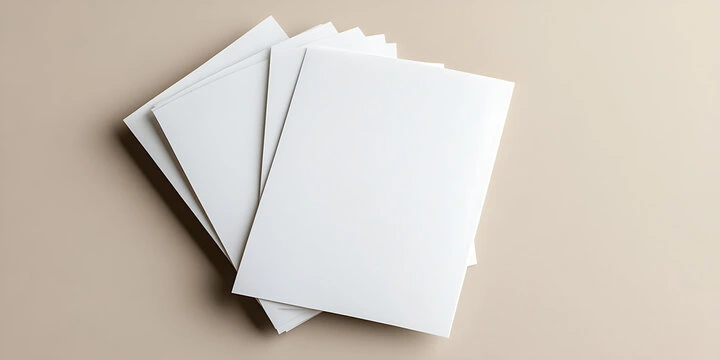
A single sheet of standard A4 printer paper typically weighs about 5 grams, depending on thickness. That means two sheets together come very close to 10 grams. If you hold two pieces of paper in your hand, you are holding roughly 10 grams. This is one of the easiest ways to visualize the weight without needing a scale.
A Wooden Pencil
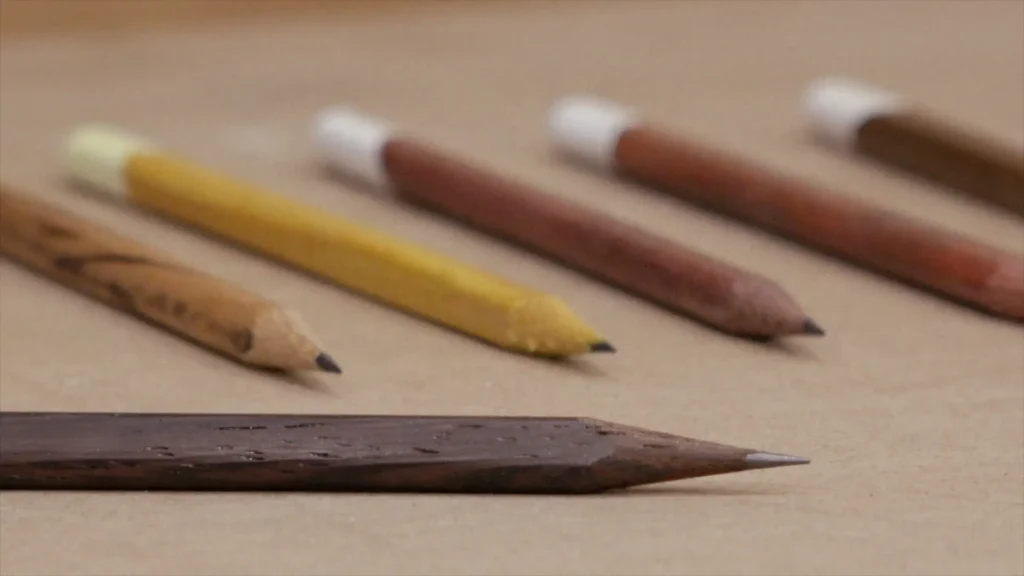
A standard, unsharpened wooden pencil often weighs around 6 to 8 grams. Slightly thicker pencils or those with extra coating can reach close to 10 grams. When you pick up a sturdy pencil, you are likely holding something that feels very close to this weight. It’s a great everyday reference point.
A Tablespoon of Sugar
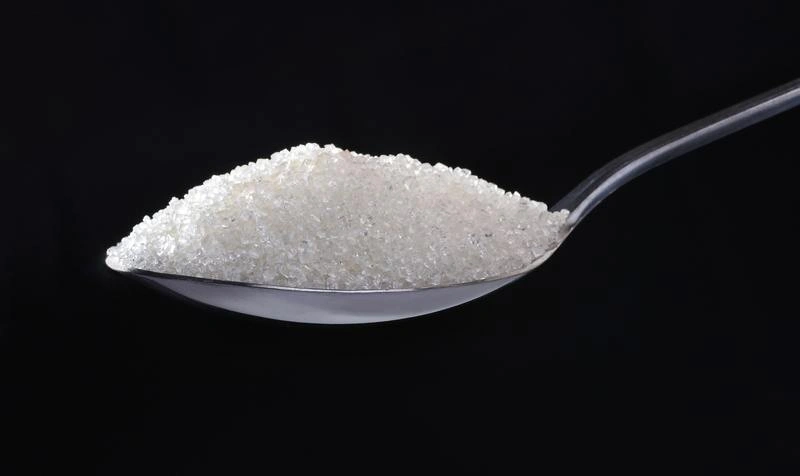
Granulated sugar is surprisingly light. One tablespoon of sugar weighs about 12 grams, so slightly less than a full tablespoon is around 10 grams. If you measure out a slightly rounded tablespoon and remove a bit, you are very close to 10 grams. This makes sugar a handy kitchen comparison.
A Stack of Five US Pennies
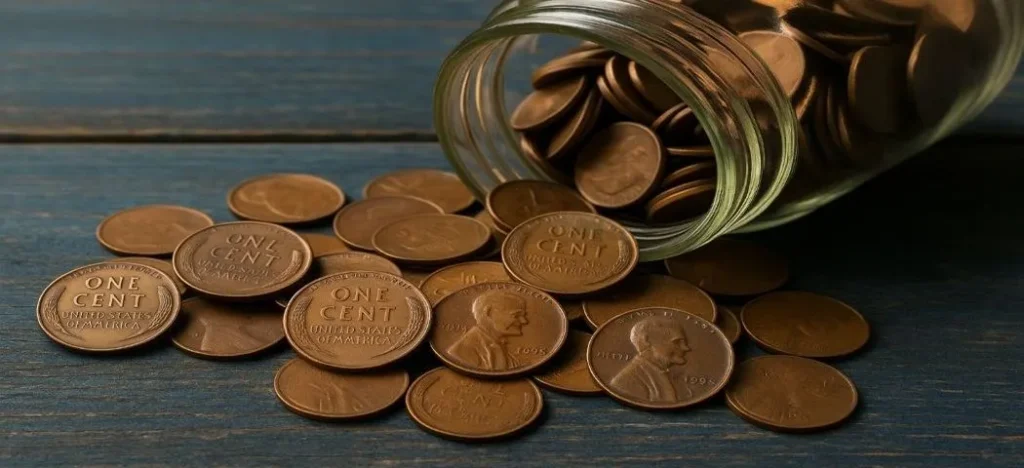
A single U.S. penny weighs 2.5 grams. Five pennies together weigh exactly 12.5 grams, so four pennies come to about 10 grams. Coins are useful because their weights are standardized. Holding four pennies gives you a clear sense of what 10 grams feels like.
A Standard Ballpoint Pen Cap
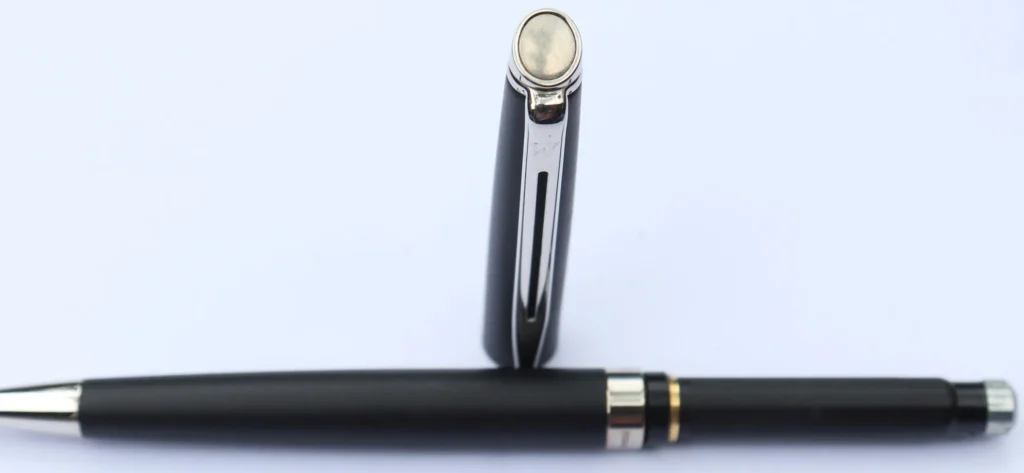
The cap of a plastic ballpoint pen weighs only a few grams. However, the full pen often weighs between 8 and 12 grams. Depending on the design, some lightweight pens weigh almost exactly 10 grams. It’s a small but practical example you can find in almost any desk drawer.
Also, read Things That Weigh 7 Grams: Surprising Everyday Examples!
A AAA Battery
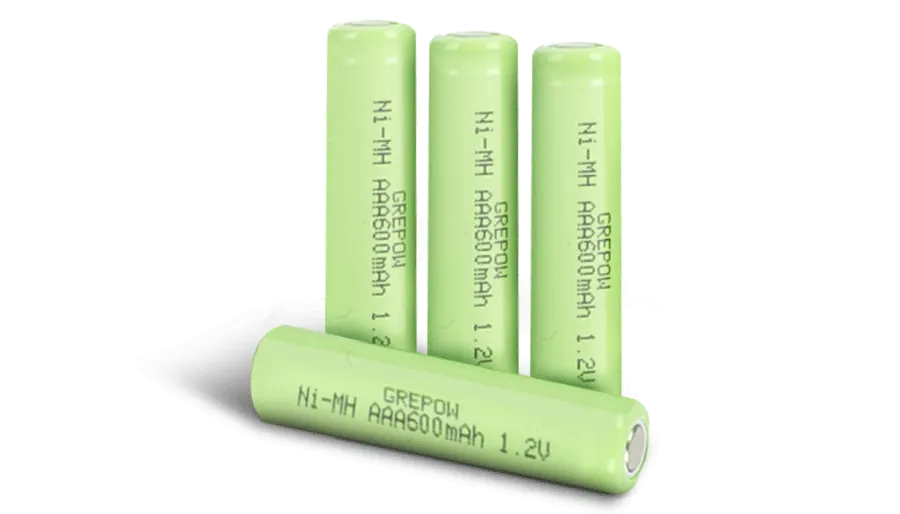
A standard alkaline AAA battery typically weighs around 11 grams. While slightly heavier than 10 grams, it is very close and offers a useful reference. If you have ever held a AAA battery, you know it feels light but solid. That sensation is just about what 10 grams feels like.
A Sheet of Aluminum Foil (30 cm x 30 cm)
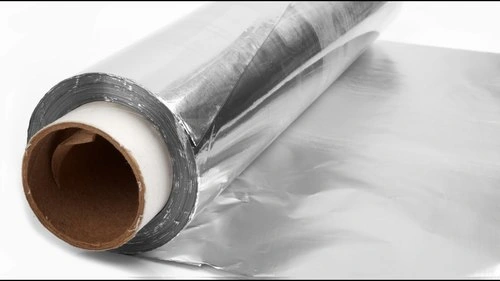
Aluminum foil is extremely lightweight. A square sheet about 30 by 30 centimeters weighs close to 10 grams, depending on thickness. When crumpled into a ball, it still feels very light in your hand. This makes foil another helpful comparison.
A Large Paper Clip Bundle
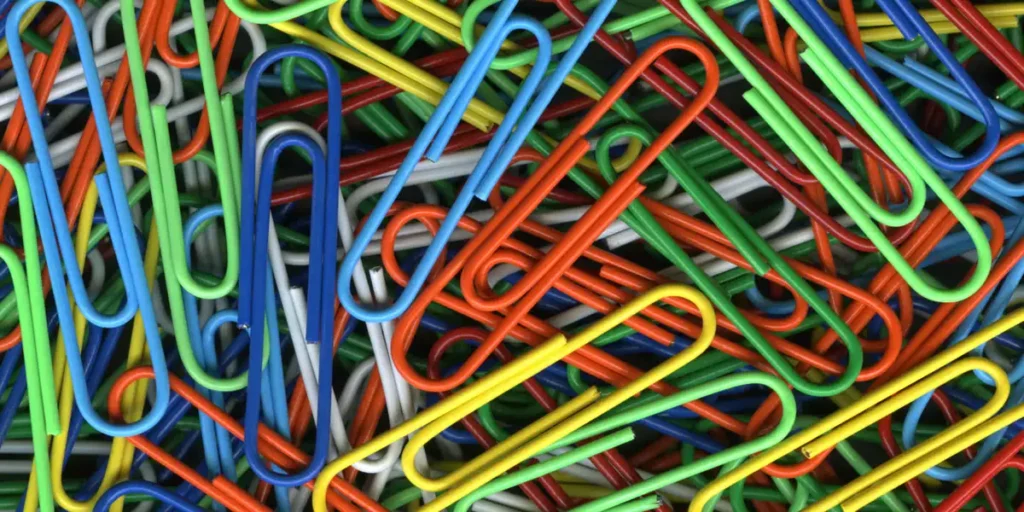
A single standard paper clip weighs about 1 gram. So, a small bundle of ten paper clips weighs approximately 10 grams. This is one of the most precise and simple examples. If you want to measure 10 grams without a scale, counting ten paper clips works quite well.
A Standard CD or DVD Case Insert

The thin paper insert inside a CD or DVD case weighs around 8 to 12 grams, depending on thickness. While the plastic case itself is heavier, the paper booklet alone can be very close to 10 grams. It’s another surprising example from everyday media items.
A Tablespoon of Flour
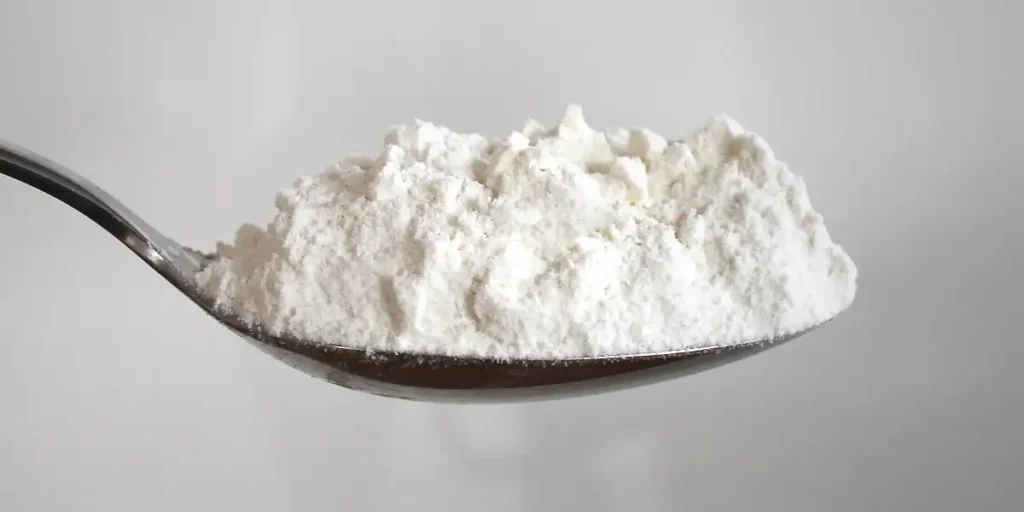
Flour is lighter than sugar. One tablespoon of all-purpose flour weighs about 8 grams. A slightly heaping tablespoon gets very close to 10 grams. If you bake often, this gives you a familiar kitchen reference for things that weigh 10 grams.
A Small House Key

A single standard house key usually weighs between 7 and 10 grams. Larger keys may weigh more, but smaller brass keys often fall right in this range. When you hold one key between your fingers, you are likely holding something close to 10 grams.
Also, read Things That Weigh 8 Grams: Everyday Objects You’ll Recognize!
Why Understanding Things That Weigh 10 Grams Matters
Knowing what 10 grams feels like is more useful than you might think. In cooking and baking, small differences in weight can affect taste and texture. For mailing letters, knowing whether your item is closer to 10 grams or 20 grams can influence postage costs.
In science experiments and school projects, 10 grams is a common measurement used for small-scale demonstrations. Even in fitness and nutrition tracking, gram-level precision can matter. Once you develop an intuitive sense of this weight, estimating small quantities becomes much easier.
Conclusion
At first glance, 10 grams seems almost too small to matter. But as you can see, many familiar objects fall right around this weight. From two nickels to a handful of paper clips, things that weigh 10 grams are all around us.
The next time you pick up a key, measure sugar, or stack a few coins, you might pause and realize you’re holding about 10 grams. It’s a tiny measurement, but understanding it can make everyday tasks more accurate and even a little more interesting.
FAQs
1. What does 10 grams feel like?
Ten grams feels very light. It’s about the weight of two U.S. nickels or ten paper clips. Most people would describe it as barely noticeable when held in the palm of your hand.
2. Is 10 grams the same as 10 milliliters?
Not always. Grams measure weight, while milliliters measure volume. For water, 10 grams equals 10 milliliters, but for other substances like flour or oil, the numbers will differ.
3. Why is 10 grams commonly used in measurements?
Ten grams is a convenient small unit in the metric system. It’s often used in cooking, science experiments, and small item measurements because it provides precise control without being too tiny to handle.